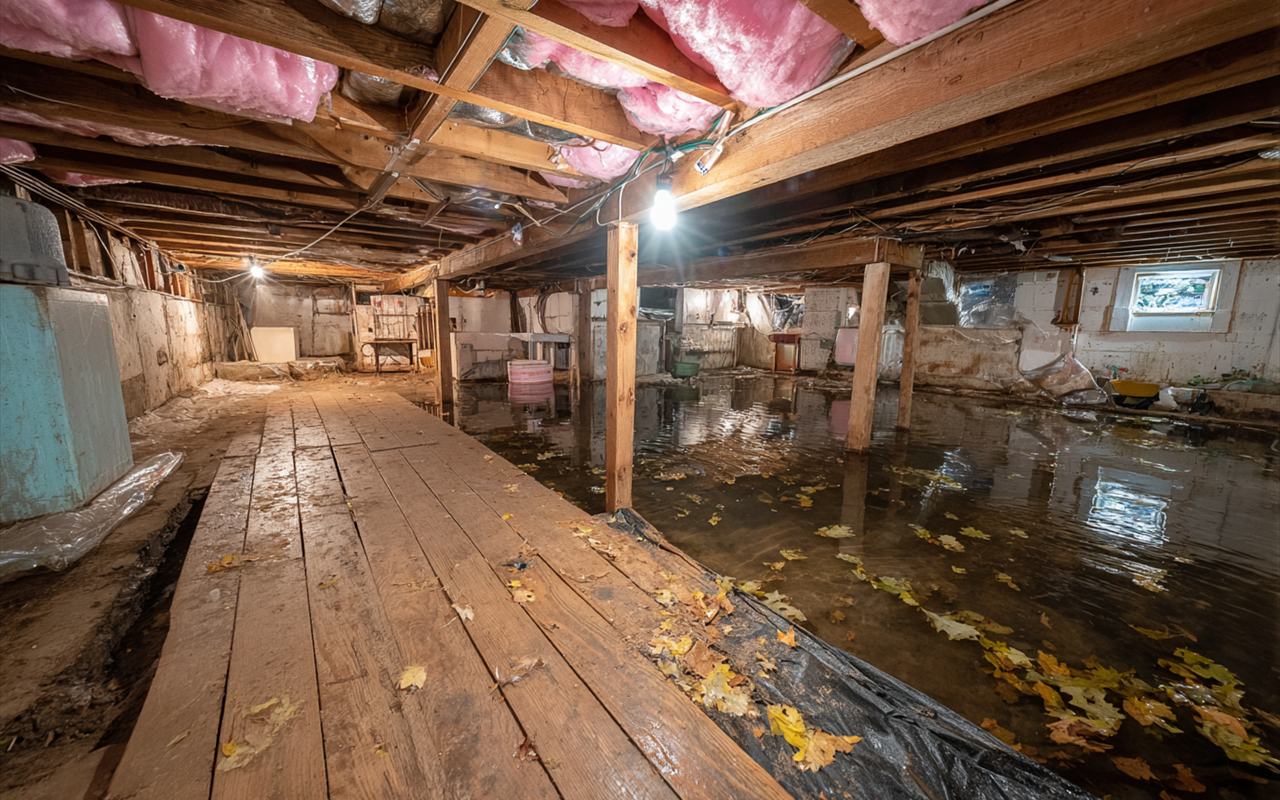
Canal Seepage and Summer Groundwater: Why Crawlspaces Get Wet in July
Where the valley's groundwater comes from, and why it peaks in summer.
MERIDIAN · BRIDGETOWER
Musty air at the crawlspace hatch, or a wet wall in a BridgeTower home? Freeze, leak or groundwater, one number.
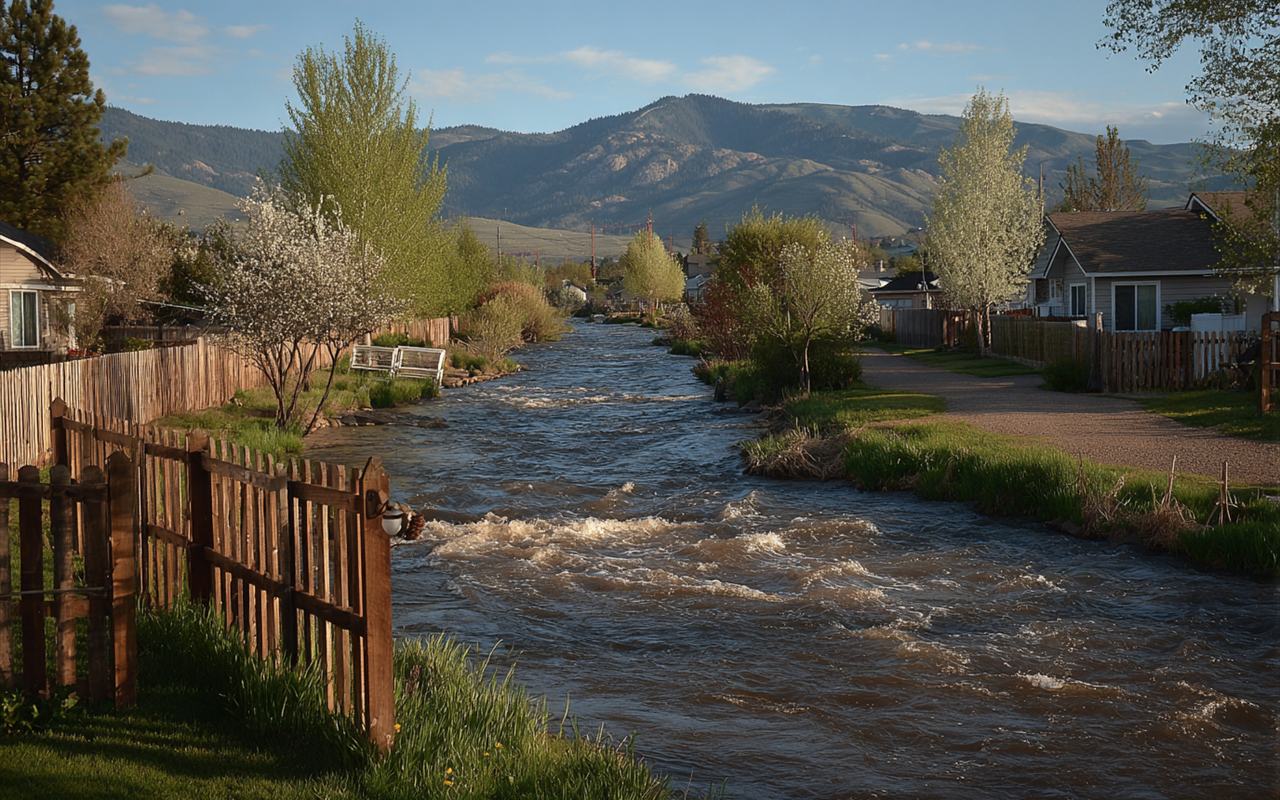
BridgeTower spreads east of Ten Mile Road along Ustick, one of the communities that turned northwest Meridian's fields into neighborhoods. Like a lot of the valley's newer subdivisions, it was laid out around the irrigation water that already crossed the land. That's pleasant to live beside, and it's also part of why crawlspaces here can see more moisture in July than in January. What you see is usually a smell before anything else: musty air when the hatch opens, or a damp feel in a closet over the crawlspace. What it usually means is moisture under the house, from the ground or from a leak. What happens next is a look under the floor with a light and a meter.
If the crawlspace is wet, the insulation between the joists is the first thing a company checks. Wet batts hold water against the subfloor and keep the floor above from drying.
The pages that fit most BridgeTower calls: ceilings, walls and drywall, floors and carpet, crawlspaces and basements, frozen and burst pipes, or the full restoration and mitigation job.
A dated photo of the crawlspace each summer gives a company something to compare against when you call.
Where the valley's groundwater comes from, and why it peaks in summer.
What your house is sitting on, and where water goes in each.