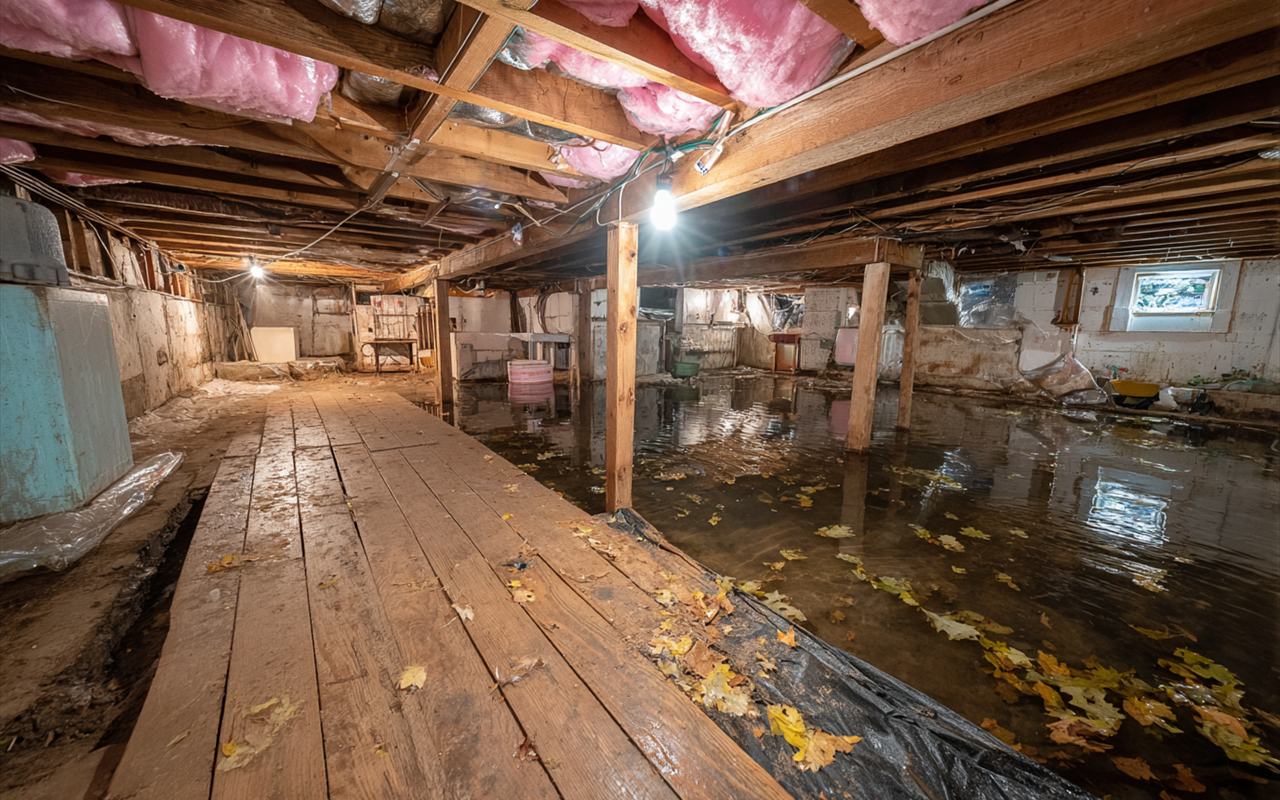
Most people expect a basement or crawlspace to be wettest in the rainy part of the year. In much of the Treasure Valley it works the other way. Meridian gets little rain in summer, yet some crawlspaces here are driest in March and wettest in July or August. The reason runs behind the back fence: the irrigation canals.
Where the Valley's Groundwater Comes From
Before irrigation, much of the land between Boise and the Snake River was dry sagebrush plain. A century of canals changed that. The state's water-budget studies of the Treasure Valley found that the largest single source of groundwater recharge appears to be seepage from the canal system, followed by seepage from flood irrigation, and only then rain and snow. In other words, the water table under many neighborhoods is fed far more by the irrigation season than by the weather.
The canals don't run all year. In the Nampa & Meridian Irrigation District, canals usually fill in early April, and the district typically shuts flows off in October, earlier in a drought year. For six months or so, water is moving through hundreds of miles of canals, laterals and ditches, and a share of it soaks into the ground along the way. That's why groundwater under some neighborhoods rises through the summer and falls after the shutoff.
Background on the valley's water supply is on the Idaho Department of Water Resources site, and the irrigation district posts its turn-on and shutoff dates at the Nampa & Meridian Irrigation District.
What It Looks Like Under the Floor
What you see: water appears in late spring or early summer, sits on the vapor barrier or in the lowest corners of the dirt, and may come and go with the irrigation schedule. The crawlspace smells damp. Upstairs, a closet over the crawlspace or a bedroom near the low corner feels clammy.
What it usually means: the ground around and under the house is wetter than the crawlspace can handle. The water is coming up or in through the soil, not down from a pipe.
What happens next: the water gets pumped out and anything it reached gets dried, the same as with a leak. The difference is that groundwater can come back as long as the canals are running, so the drying has to account for it, and the drainage question needs its own answer.
Groundwater or a Leak?
A few clues help tell them apart before anyone goes under the house:
| Clue | Points to groundwater | Points to a leak |
|---|---|---|
| Timing | Arrives in late spring or summer, drops after the canals shut off | Any time of year, often suddenly |
| Where | Spread across the barrier or in the lowest corners | Concentrated under one fixture or line |
| Water bill | Unchanged | Higher than usual |
| Sound | Nothing | Running water with every tap off |
| Repeat | Comes back each irrigation season | Stops once the line is fixed |
If it's both, which happens, the company will dry what the leak wet and note the groundwater separately.
Why It Matters for the House
A little seasonal dampness on the dirt under a house isn't unusual in an irrigated valley. The problem starts when the moisture reaches the structure. Standing water raises the humidity in the crawlspace, the insulation between the joists soaks it up, and the subfloor and sill plate start taking on moisture from below. Wood that stays wet loses strength, and wet insulation sags and stops insulating. Upstairs, floors over the crawlspace can feel damp, and a musty smell can work its way into the house.
That's when it becomes water damage that a restoration company dries: wet insulation out, standing water out, joists and subfloor dried and read until they match dry wood elsewhere.
Pressurized Irrigation Close to the Foundation
There's a second irrigation source that's closer to home. Most Meridian subdivisions water their lawns with a pressurized irrigation system run by the HOA or an irrigation entity, not by the city. Its lines, valve boxes and sprinkler heads often sit a few feet from the foundation. A cracked fitting under the lawn, or a head that sprays against the wall, can soak the soil next to the house for an entire season. The crawlspace or basement on that side shows it.
If water under the house lines up with one side or one sprinkler zone, that's worth saying on the call. The irrigation repair is separate work; the restoration company handles the water that got inside.
When the Canals Shut Off
After the October shutoff, groundwater under many neighborhoods gradually drops. A crawlspace that had standing water in August may be dry by December. That doesn't mean the house dried with it. Insulation that soaked up water over the summer can stay wet, and wood that took on moisture gives it up slowly. If you had water under the house this season, a fall check with a moisture meter tells you whether the structure actually dried or just the dirt did.
Questions
Is crawlspace water in summer normal in Meridian?
Some seasonal moisture under houses is common in irrigated parts of the valley. Standing water, wet insulation or a musty smell in the house is past normal and worth having checked.
Will drying fix groundwater?
Drying fixes what the water reached. It doesn't stop groundwater from rising next season. That's a drainage question, separate from the restoration work.
Does groundwater count as water damage for insurance?
Policies treat seepage and groundwater differently from a sudden leak, and many exclude it. Read your policy or ask your agent.
Around Meridian
Summer crawlspace water comes up often in BridgeTower, in irrigated acreage across Southwest Boise, and around Nampa, where the irrigation district is based. What happens under the floor is covered on the crawlspaces and basements page.
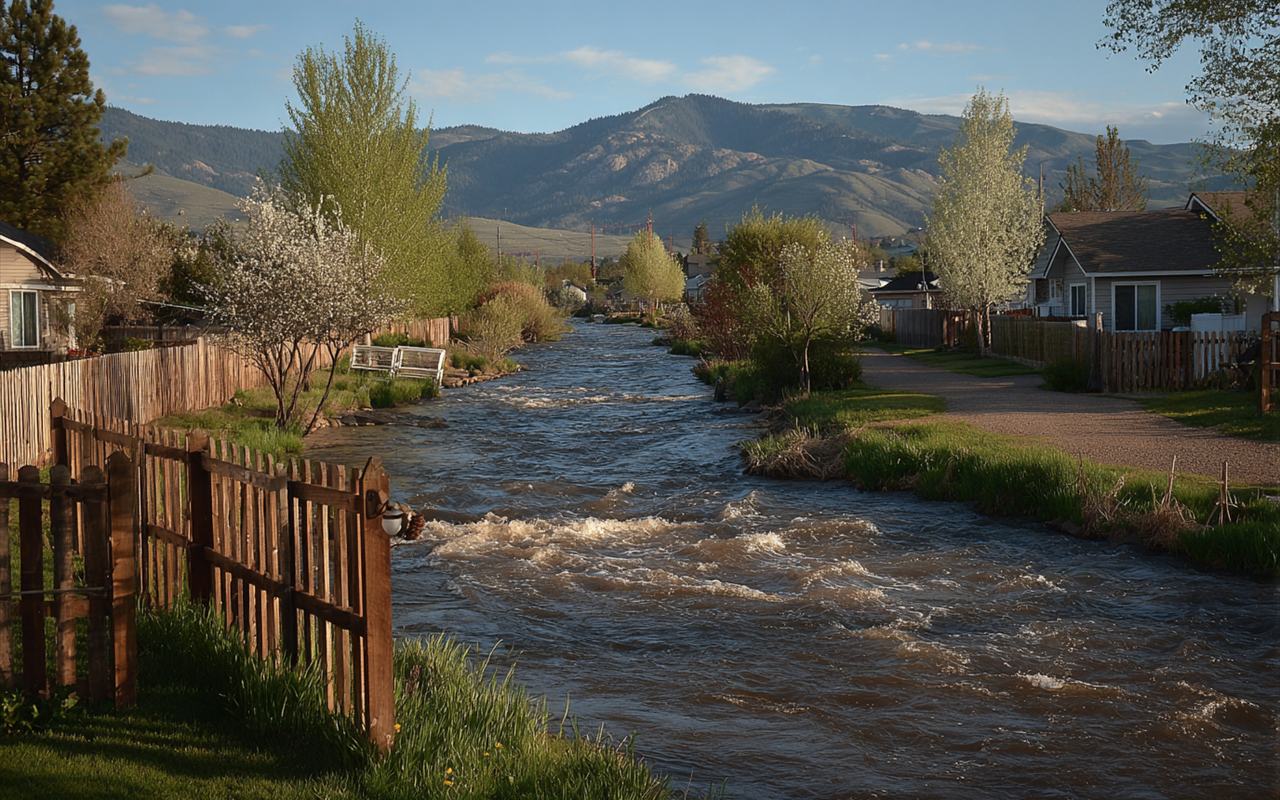
The Canals, Laterals and Drains Behind Meridian Subdivisions
The irrigation water running past your back fence, and who runs it.
Crawlspace, Slab or Basement: A Treasure Valley House-Type Guide
What your house is sitting on, and where water goes in each.