Moisture Readings and Drying Logs: How "Dry" Gets Decided
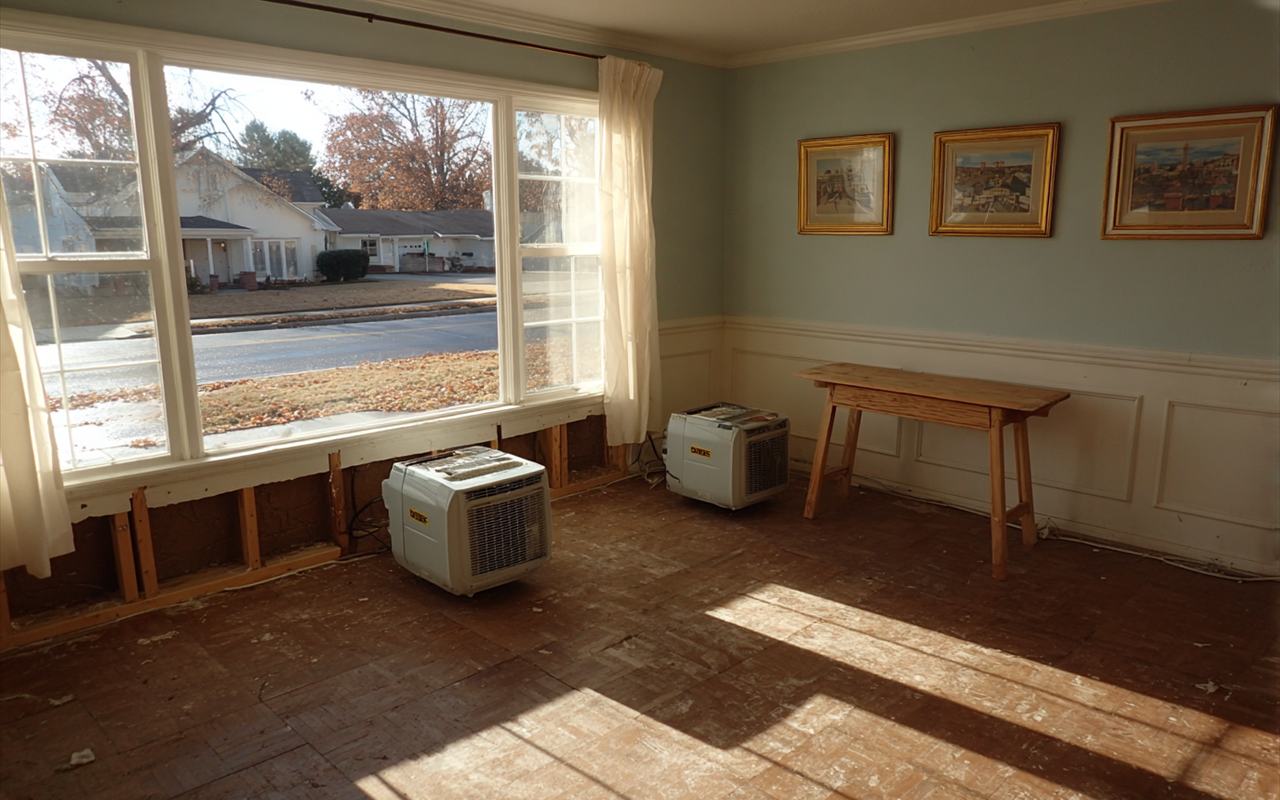
The numbers behind the fans, and why the room feeling dry isn't enough.
MERIDIAN · WOODBRIDGE
A wet wall, a stained ceiling or water under the floor in a Woodbridge home? Say where it's wet.
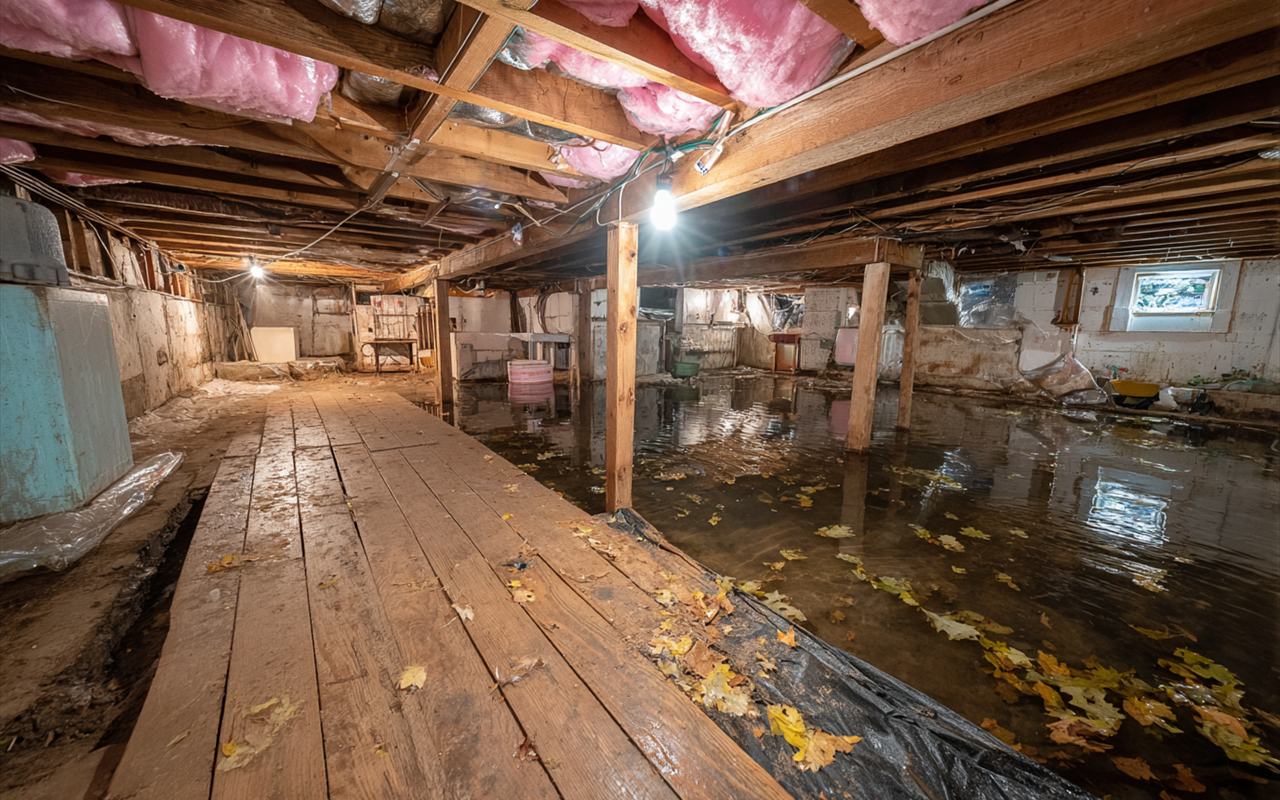
Woodbridge is tucked off Locust Grove Road close to the freeway, near business parks and a hospital. It's an established neighborhood rather than a new one, and established neighborhoods have their own pattern: the original water heaters, washer hoses, toilet supplies and shower valves are reaching the age where they fail. What you see is often a water heater leaking into the garage or a closet, a toilet supply that drips behind the tank, or a shower valve that seeps inside the wall. What it usually means is a fixture at the end of its life, and water that's been quietly spreading. What happens next is readings in the walls and floor around it, and a check of the crawlspace below.
Water heaters set in a garage or closet usually wet the wall behind them and the floor around them. A company reads both sides of that wall.
The pages that fit most Woodbridge calls: ceilings, walls and drywall, floors and carpet, crawlspaces and basements, frozen and burst pipes, or the full restoration and mitigation job.
Check the age printed on your water heater's label; it tells you more than how it looks.
The numbers behind the fans, and why the room feeling dry isn't enough.
What your house is sitting on, and where water goes in each.