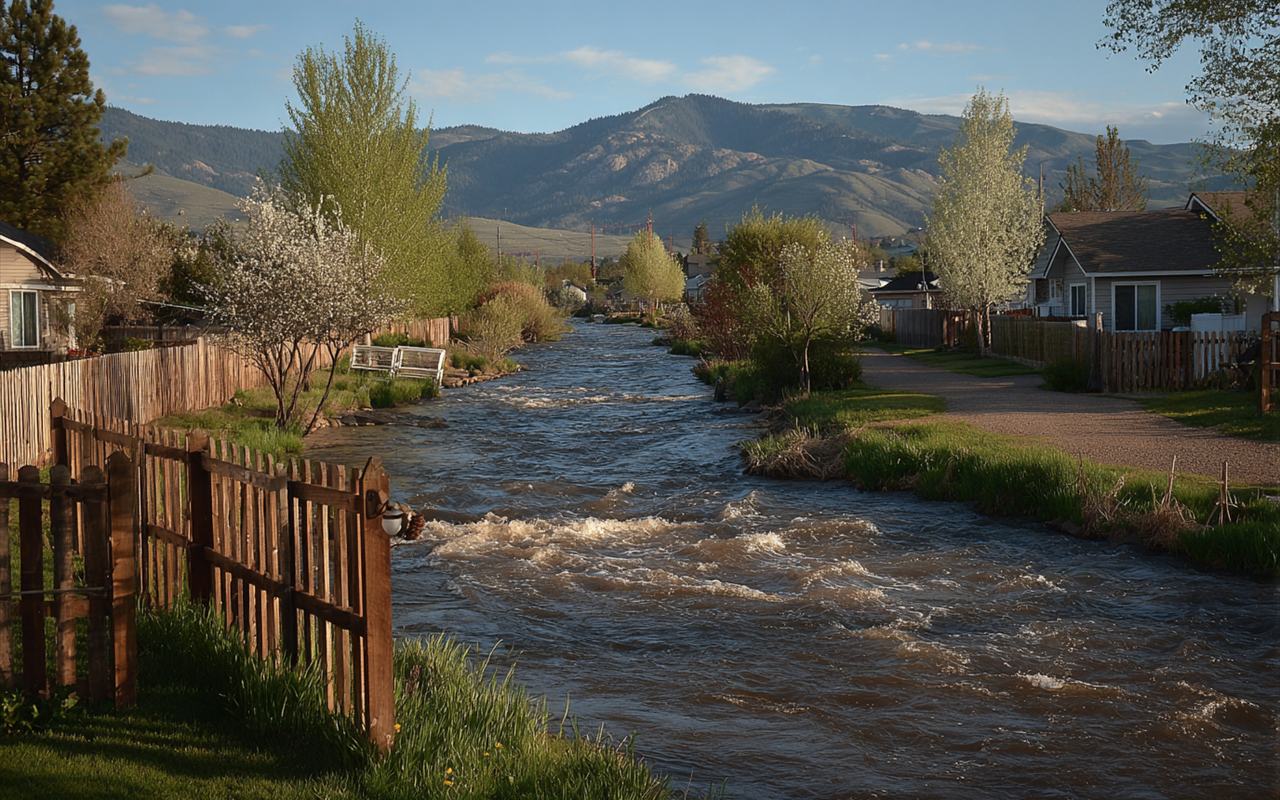
A lot of Meridian back yards end at a ditch. Sometimes it's a narrow concrete-lined lateral that runs for half the summer; sometimes it's a wide canal with a gravel road beside it. They were there long before the houses, and they still carry water to farms, parks and the pressurized irrigation systems that water the lawns. Knowing what's behind the fence helps explain what happens under the house.
The Big Canal: the Ridenbaugh
The Ridenbaugh Canal takes water out of the Boise River and carries it west across the valley. Work on it began in 1877, and the Nampa & Meridian Irrigation District was formed in 1904 to take it over, improve it and run it. It's one of the largest irrigation systems in the Treasure Valley, diverting more than 500 cubic feet per second, and it also delivers water to several neighboring districts. The district is based in Nampa and publishes its season dates and safety notices at nmid.org.
Laterals: the Ditches Along the Fences
From the main canals, smaller ditches called laterals branch off to deliver water to individual properties and irrigation systems. In older farm country they ran along field edges. When the fields became subdivisions, many laterals stayed where they were, piped in places and left open in others, and the houses were built along them. That's why so many Meridian lots back onto a ditch.
What it means for a house: a lateral running from spring to fall puts water in the ground close to the foundation for months. On a lot that sits a little low, or where the soil drains slowly, the crawlspace or basement on that side can show it.
Drains: Where the Water Goes Next
Not every ditch brings water in. Drains carry away what the fields and canals leave behind: seepage, runoff and the end of the irrigation flow. Larger drains like the Ten Mile Drain cross the area, and the Ridenbaugh Canal actually crosses over it on a flume. Drains matter for flooding: the irrigation district notes that when trees or brush fall into a canal, ditch or drain, the blockage can cause flooding or raise groundwater nearby.
Water under the house beside a ditch?
Freeze, leak or groundwater: (208) 908-0878.
Call (208) 908-0878Who Runs What
It isn't always obvious who's in charge of the water behind a house, and it matters when something goes wrong:
| Water | Usually run by | Who to contact about it |
|---|---|---|
| Main canals | An irrigation district (in much of Meridian and Nampa, the Nampa & Meridian Irrigation District) | The district |
| Laterals and delivery ditches | The district, or the users who share the lateral | The district first |
| Pressurized lawn irrigation | The HOA or an irrigation entity, not the City of Meridian | Your HOA or its management company (see the City of Meridian's irrigation page) |
| Drains | Usually the irrigation district | The district |
| Your own sprinkler lines | You | Whoever maintains your system |
If a canal or ditch is overflowing, or something is blocking it, that's for the irrigation district, not a restoration company. Stay away from fast-moving canal water; it's deeper and faster than it looks, and the banks can be slick.
When the Ditch Water Reaches the House
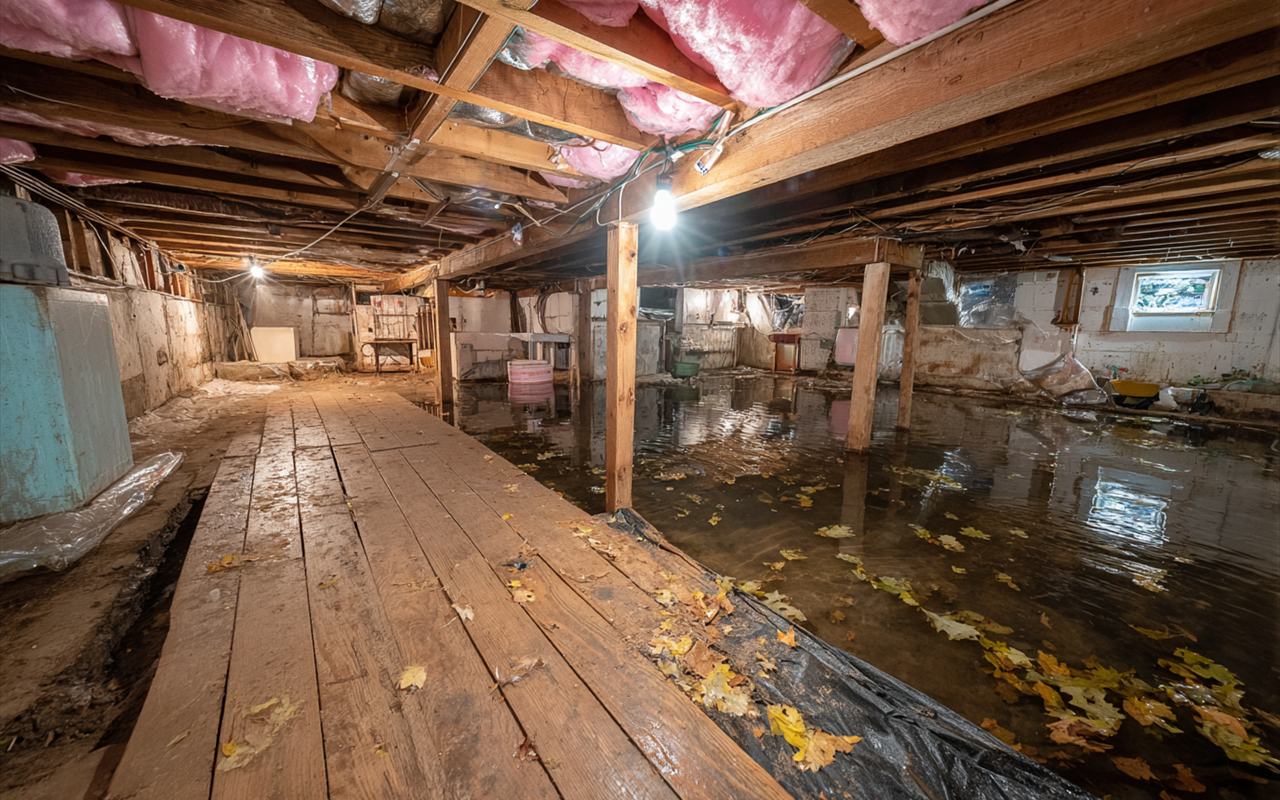
What you see: water in the crawlspace or basement on the side of the house nearest the ditch, mostly during irrigation season; a yard that stays soggy along the fence; water at a window well or a crawlspace vent after the lateral runs high.
What it usually means: water from the ditch, or from the ground it's soaking, getting to the foundation.
What happens next: the outside problem gets reported to whoever runs that water, and a restoration company handles what got inside: extraction, pulling wet insulation, and drying the joists, subfloor or basement walls to readings. The two run in parallel. Drying the house without dealing with the source means doing it again.
Living Beside the Grid
- Know the season. Canals usually fill in early April and shut off in October. Note when water shows up under your house relative to those dates.
- Keep the edge clear. Districts ask homeowners not to build, plant or fill along canal banks and easements; it can block access and cause leaks.
- Watch after storms and turn-on. The first weeks of the season and summer storms are when ditch levels jump.
- Take a photo each year of the crawlspace in midsummer. It gives you, and a company, something to compare against.
- Mind the kids and pets. Canals are a drowning hazard, especially in spring when they first fill.
Questions
Can a neighborhood lateral make my crawlspace wet?
It can raise the moisture in the soil close to the house, especially on a low lot or in slow-draining soil. The timing usually gives it away: wet in irrigation season, drier after.
Who fixes an overflowing canal?
The irrigation district that runs it. Report it to them; a restoration company handles only the water that got into the house.
Does the City of Meridian run my lawn irrigation?
Usually not. The city says pressurized irrigation systems in subdivisions are owned and run by HOAs or other entities, so check with your HOA.
Around Meridian
Ditch-side lots are common in Downtown Meridian and across the newer subdivisions, and Indian Creek plays the same role in Kuna. The groundwater side of the story is in canal seepage and summer groundwater.
Canal Seepage and Summer Groundwater: Why Crawlspaces Get Wet in July
Where the valley's groundwater comes from, and why it peaks in summer.
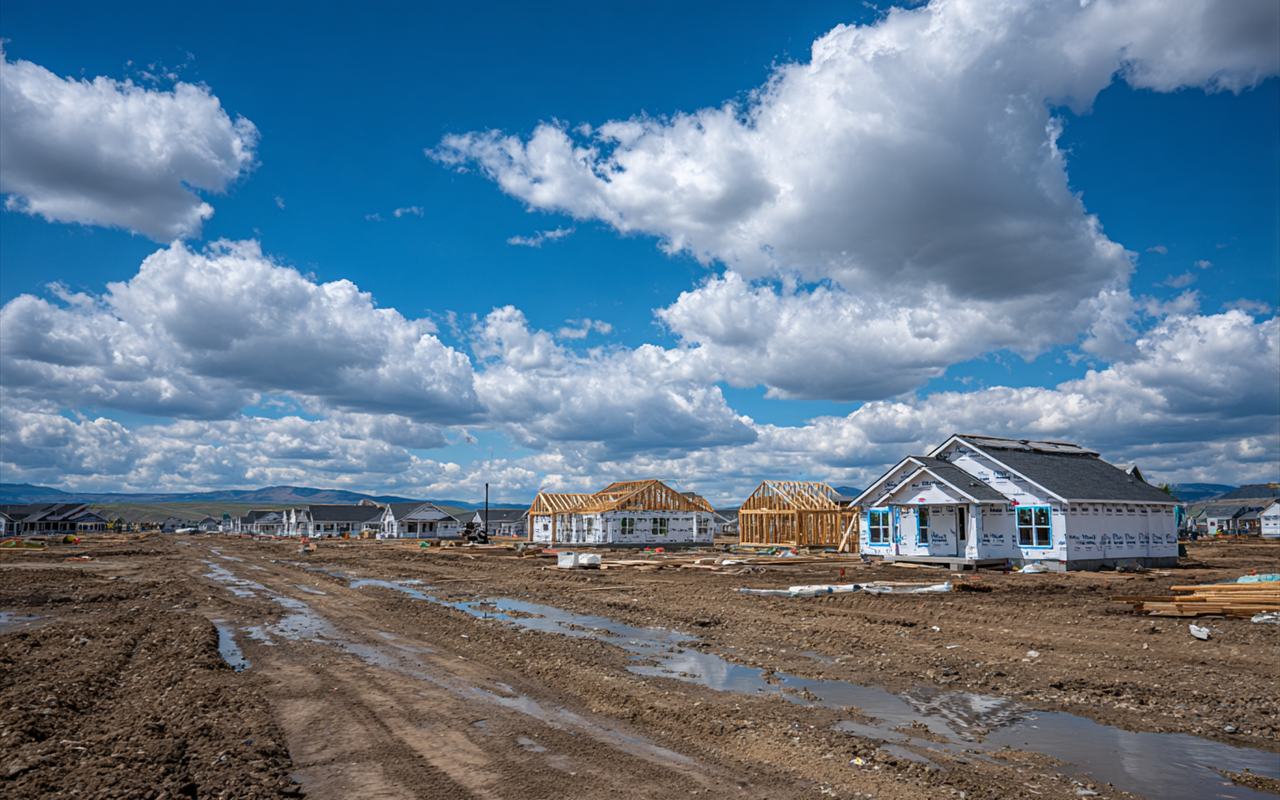
Graded Lots and New Construction: Water That Runs Toward the House
Settling backfill, missing downspouts and the first big storm.