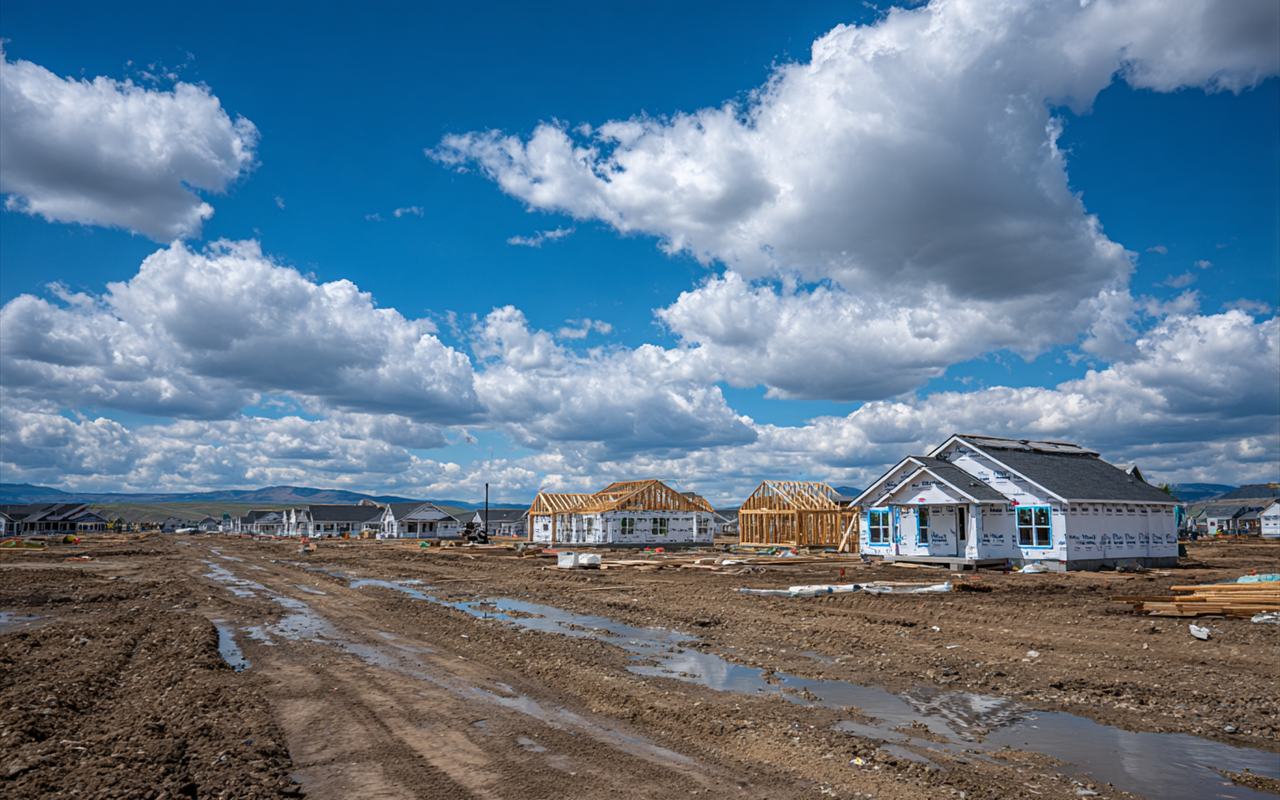
The Treasure Valley has built a lot of houses quickly. Fields along the edges of Meridian, Star, Kuna and Middleton have turned into subdivisions in a few years, and a new house on a freshly graded lot comes with a water risk most owners don't hear about at closing: the ground around it hasn't finished settling.
What Grading Is Supposed to Do
When a house is built, the soil around the foundation is graded so it slopes away from the walls, sending rain, snowmelt and sprinkler water out toward the yard, the street or a swale between lots. Gutters and downspouts carry roof water past that sloped strip. Done right, very little water ever sits against the foundation.
Why It Changes in the First Few Years
The soil packed against a new foundation is backfill: dirt that was dug out for the foundation and pushed back in afterward. It isn't as dense as undisturbed ground, and over the first few years it settles. As it settles, the slope that pointed away from the house can flatten or even tip back toward it. Add a few more things that happen on new lots:
- Landscaping that raises beds against the wall, or adds edging that traps water
- Downspout extensions that get knocked off and never put back
- Sprinklers installed with heads aimed at the house
- A neighbor's grading that sends their runoff onto your side yard
- Construction on the next lot with bare dirt and no vegetation to slow runoff
What you see: water in the crawlspace after the first big storm or the first spring thaw, usually on one side; a damp basement wall; puddles that stand against the foundation after rain.
What it usually means: surface water reaching the foundation because the ground is sloping the wrong way.
What happens next: extraction and drying inside, and a note about the side of the house the water came from.
Signs to Watch For
Walk the outside of the house after a heavy rain or a fast thaw, ideally in the first few years:
| What to look for | What it suggests |
|---|---|
| Water standing against the foundation | The slope has flattened or reversed |
| Soil lower right at the wall than a few feet out | Backfill has settled |
| A downspout dumping at the wall | The extension is missing or blocked |
| Mud splashed on the siding or the crawlspace vents | Water landing and splashing at the base of the wall |
| A soggy strip along one side only | Runoff from a neighbor's lot or a sprinkler zone |
| Water in a window well after every storm | The yard drains toward the well |
Photograph what you see. If water does get in later, those pictures help show where it came from.
The Construction Next Door
New subdivisions are built in phases, so a finished house often sits next to a lot that's still bare dirt. Bare soil sheds water fast, and a storm can send muddy runoff across lot lines before swales and lawns are in. If water came onto your lot from construction, photograph it and let the builder know. The restoration side, drying what got into your house, is the same either way.
Who Fixes the Outside
Regrading, drainage and landscaping are outside the restoration work. Depending on the age of the house and the cause, the builder's warranty may cover grading problems in the first year or two, the HOA may be responsible for common-area drainage, or it may fall to the homeowner. The details depend on your paperwork; see builder warranty, HOA or homeowner.
What Helps Most
- Keep downspout extensions on, and put them back after mowing or snow removal.
- Keep beds and mulch below the top of the foundation, and slope them away.
- Check sprinkler heads each spring and turn any that hit the house.
- Watch the first storms of each season and note any standing water at the walls.
- Look under the house after the first big storm in a new home. A quick look with a flashlight from the hatch is enough.
Questions
Is it normal for a new house to get water underneath?
It isn't unusual for grading to need adjusting in the first few years, but water standing in the crawlspace isn't something to leave. It wets the insulation and the subfloor.
Who pays to fix the grading?
It depends on the builder's warranty, your HOA's rules and how long you've owned the house. Read the warranty and talk to the builder first if the house is new.
Can the water damage be dried before the grading is fixed?
Yes, and it usually should be. The drying handles what's wet now; the grading keeps it from happening again.
Around Meridian
New construction is common in Bear Creek, Star and Middleton. Water that reached the crawlspace is covered on crawlspaces and basements.
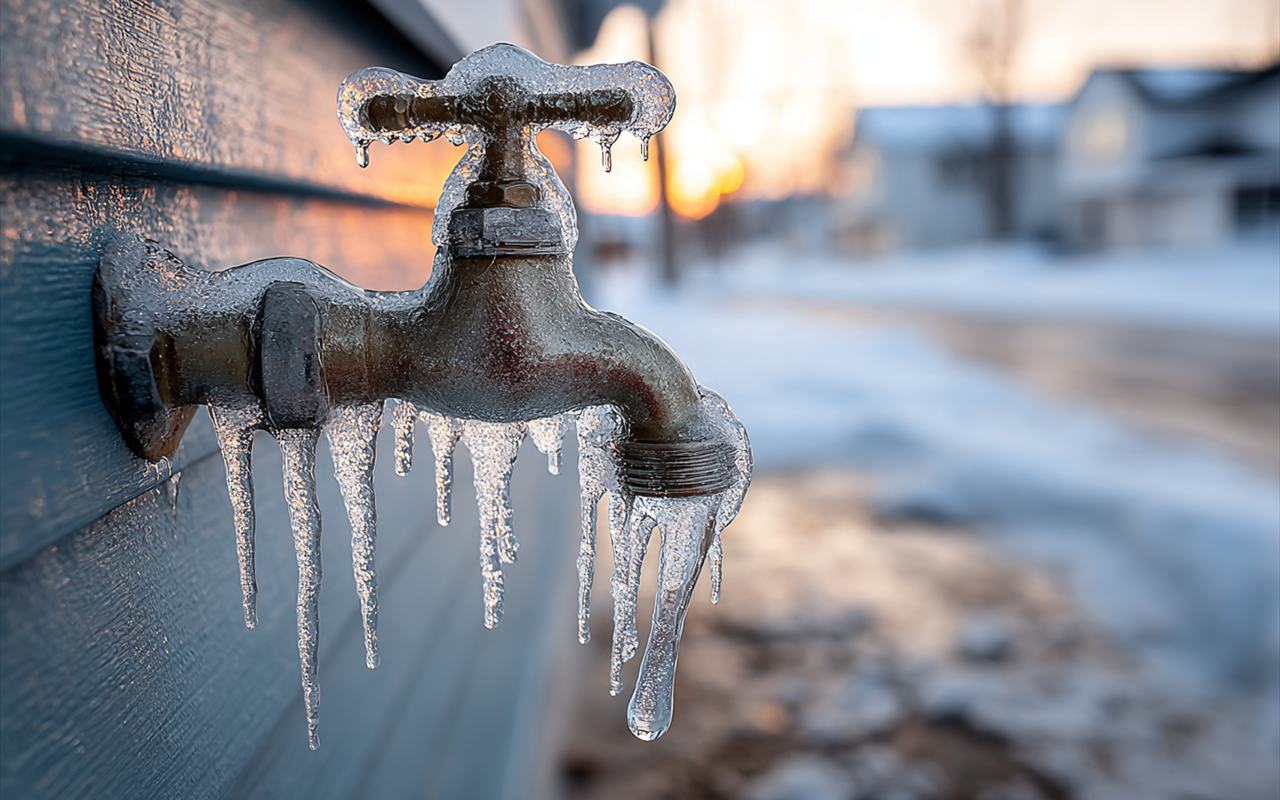
Snowmelt and Rain on Frozen Ground: Late-Winter Water at the Foundation
The warm spell after a snowy week, and where the melt goes.
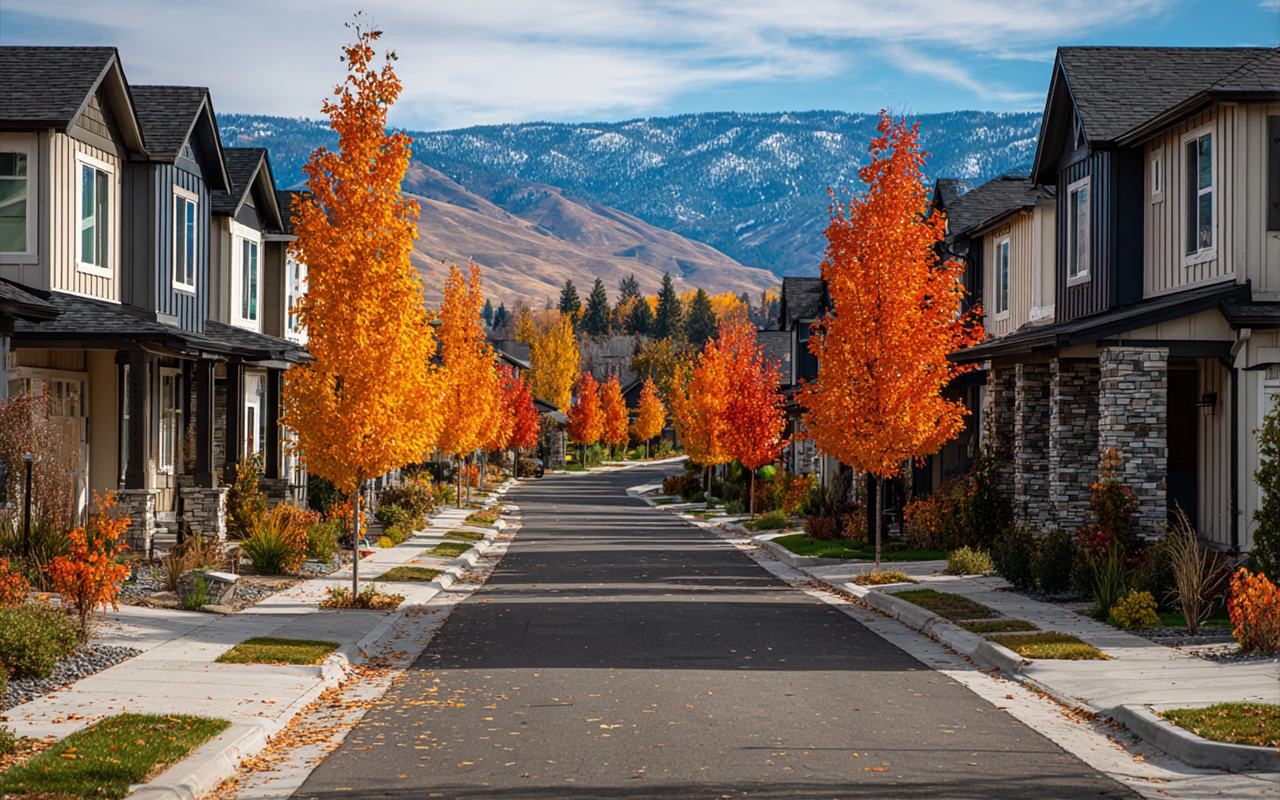
Builder Warranty, HOA or Homeowner: Who Handles Which Leak
A decision table for newer subdivisions.
Hot Tubs, Pools and Backyard Water Close to the House
When backyard water ends up under the floor.