
A newer house in a planned subdivision comes with more than one set of paperwork: a builder's warranty, HOA rules and covenants, and your own homeowners policy. When water shows up, it's natural to wonder whose problem it is. The honest answer is that it depends on the source, the age of the house and what those documents say. What doesn't depend on any of that is the first hour: stop the water, protect the house and document everything.
First, Before Anyone Decides
Whoever ends up responsible, the water keeps spreading while you sort it out. So:
- Stop the water at the fixture or the main.
- Photograph everything before it's moved: the source, the wet areas, the damage.
- Start drying. Most warranties, HOA rules and insurance policies expect an owner to take reasonable steps to keep damage from getting worse, and wet drywall and subfloor get worse by the day.
- Notify in writing: the builder if the house is under warranty, the HOA if common property is involved, your insurer if you plan to claim.
- Keep the paper trail: receipts, the drying log, emails and dates.
A Decision Table
This is general guidance, not a reading of your documents. Check your warranty, your HOA's covenants and your policy for the real answer.
| Source of the water | Who's often responsible | What to check |
|---|---|---|
| A plumbing defect in a house still under the builder's warranty (a bad fitting, a line pinched during construction) | Often the builder, for the defect | The warranty term for plumbing, and its notice requirements |
| Poor grading or drainage around a new house | Possibly the builder, early on | Whether the warranty covers grading, and for how long |
| A common-area pipe, lateral or irrigation main | Often the HOA | Covenants on common areas and the irrigation system |
| The HOA's pressurized irrigation system leaking near your foundation | Often the HOA, for the system | Where the HOA's responsibility ends and yours begins |
| Your own sprinkler lines, hose bibs or yard drainage | Usually the homeowner | Your maintenance records |
| An appliance, a washer hose, a toilet or a worn fixture | Usually the homeowner | Your homeowners policy for sudden water damage |
| A line that froze because heat was off or a hose was left on | Usually the homeowner | Your policy's terms on freezing and vacancy |
| Water from a neighbor's unit in an attached home | Depends on the association and the source | The association's rules and both owners' policies |
If more than one party is involved, which happens, the drying still has to start. The question of who pays for what can follow.
Water spreading while you sort out who's responsible?
Have the water traced and dried: (208) 908-0878.
Call (208) 908-0878Builder Warranties
Builder warranties vary a lot. Many cover workmanship for a short period, systems such as plumbing for a little longer, and major structural parts for longer still. Most have notice requirements: written notice within a set time, a chance for the builder to inspect, and sometimes rules about who can make repairs. If your house is new, read the warranty before you need it, and know how to file a claim.
What a warranty usually covers is the defect itself: the bad fitting, the misrouted line. Whether it covers the water damage that defect caused is a separate question, and the answer is in the warranty's wording.
HOAs
In Meridian, pressurized irrigation in a subdivision is usually owned and run by the HOA or another entity, not by the city. That makes the HOA the first call when a main irrigation line or a common-area lateral is leaking. Inside your house and on your own lines, it's usually yours. Attached homes and townhomes add another layer: the association may be responsible for some pipes and walls, and the owners for others.
Your Own Policy
A homeowners policy often covers sudden, accidental water damage, such as a burst supply line or a washer hose, and often excludes gradual leaks, seepage, groundwater and flooding. The exact terms are in your policy. If you're unsure, call your agent before deciding not to claim; some deadlines start when you discover the damage.
Questions
Can I wait for the builder to inspect before drying?
Ask the builder right away, in writing, and photograph everything. But don't let wet materials sit for days waiting; most warranties expect you to prevent further damage.
Who pays the restoration company?
Whoever hires it, usually the homeowner, who may then be reimbursed by a builder, an HOA or an insurer. Get the arrangement in writing before work starts.
Does an HOA have to fix water damage inside my home?
Only if its rules make it responsible for the source. Read the covenants for your community.
Around Meridian
These questions come up most in newer planned communities such as Tuscany and Paramount. How a drying job is documented is covered in moisture readings and drying logs, and the work itself on restoration and mitigation.
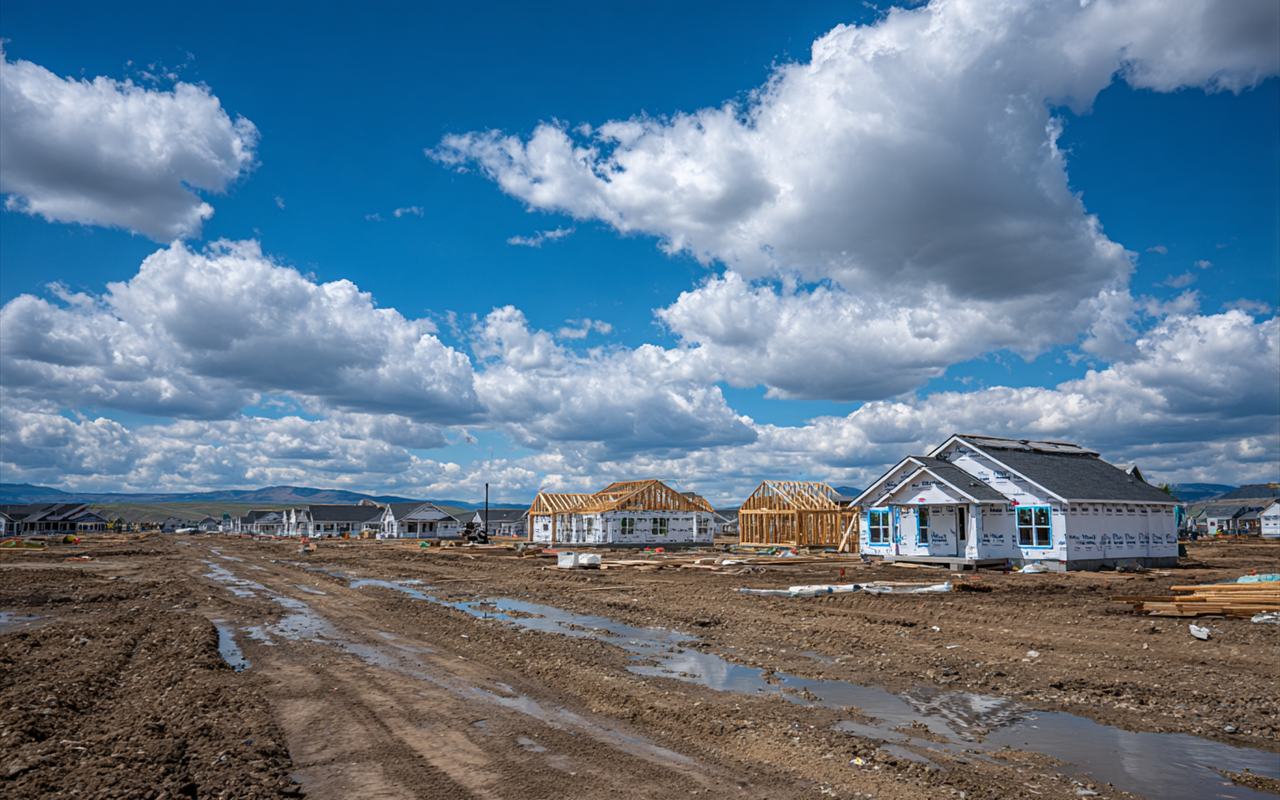
Graded Lots and New Construction: Water That Runs Toward the House
Settling backfill, missing downspouts and the first big storm.
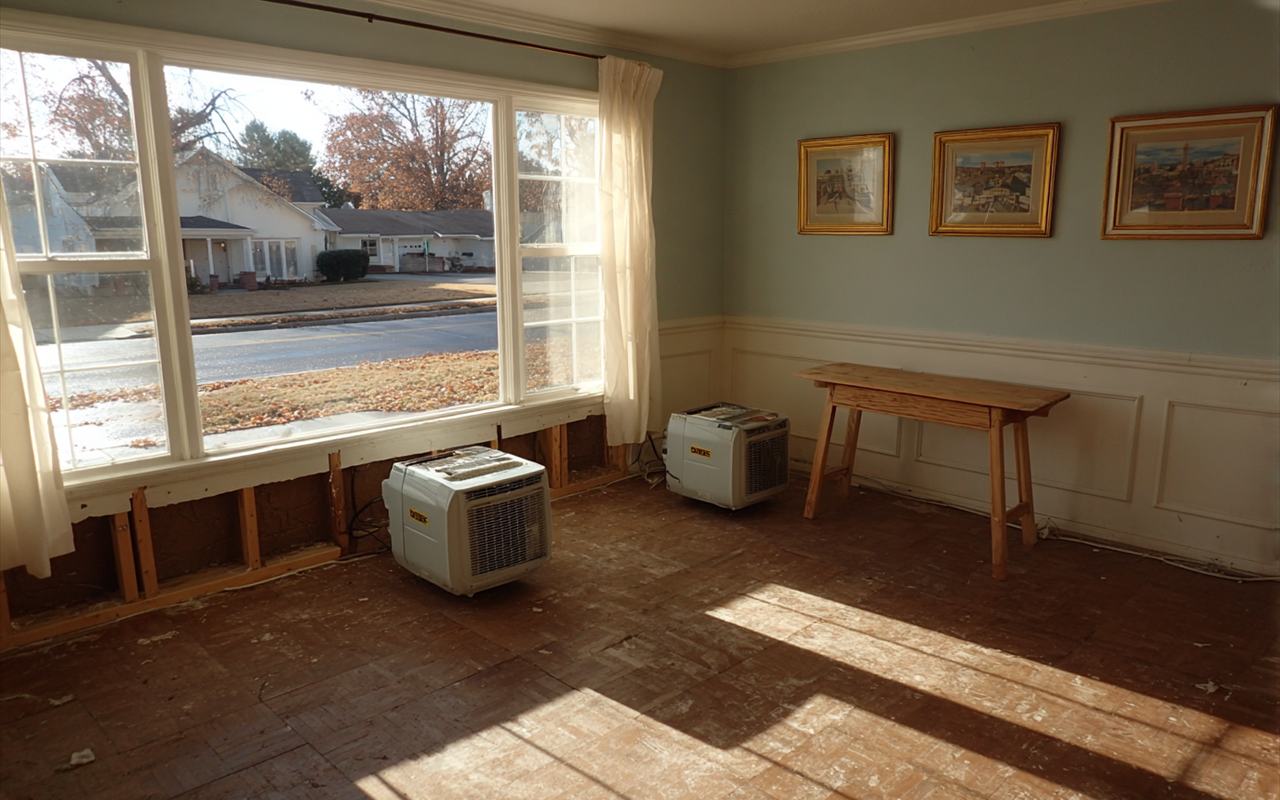
Why Two Leaks on the Same Street Cost Different Amounts to Fix
The factors behind a water damage bill, without prices.